The HYROX race-day bag: what to pack, what to leave, and how to split it
Most packing lists are inventories. This one is a system: three zones, one rule about wet and dry, and a short list of things that do nothing but take up space.
OTTAVA Editorial · Published 24 August 2026 · 8 min read
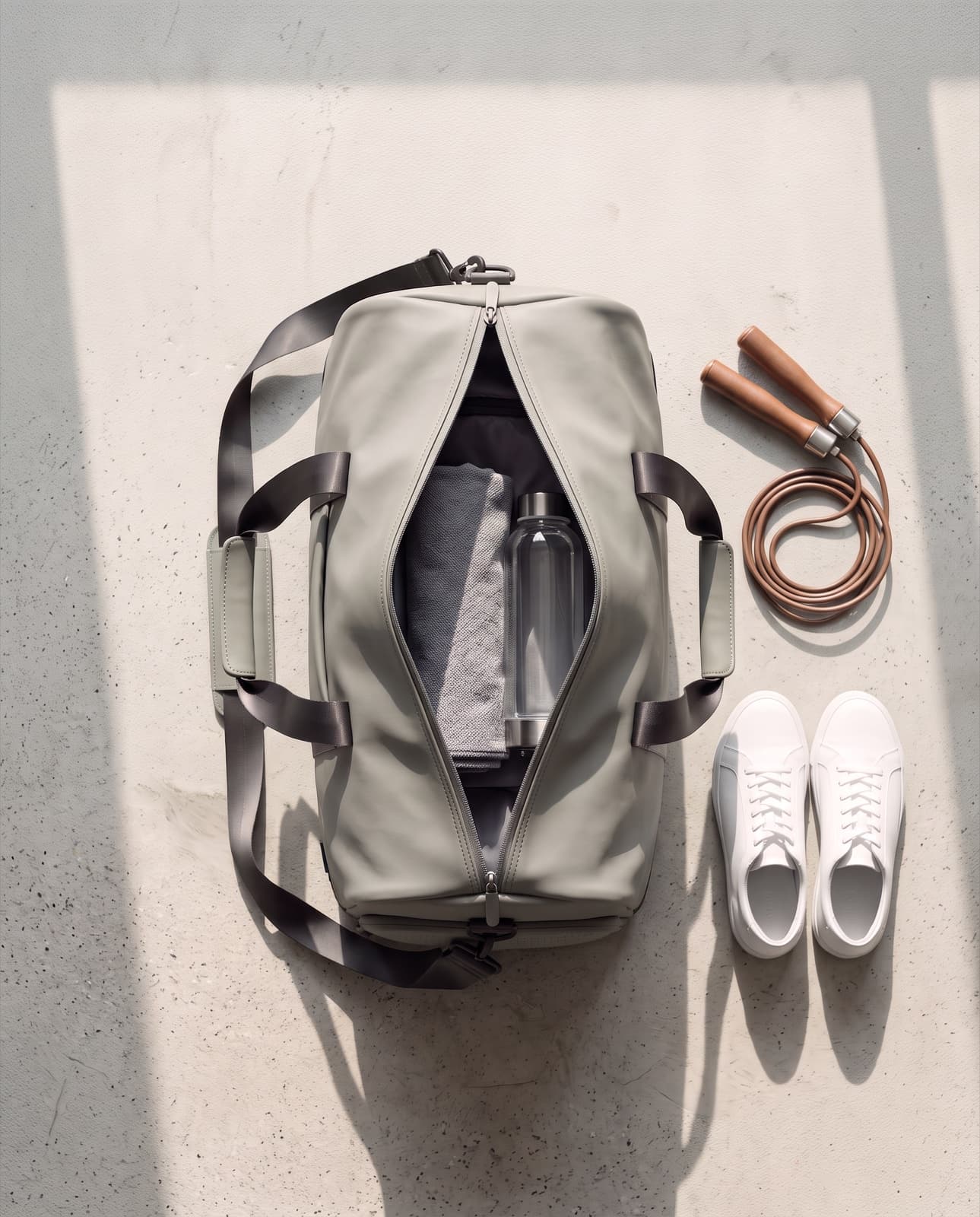
Bag logistics are the part of a HYROX weekend nobody trains for. You arrive at a hall with a few thousand other athletes, you have a start time you cannot move, and at some point you have to hand over everything you own to a bag drop staffed by volunteers and walk away from it for an hour.
The failure mode is always the same. Everything goes into one large bag. At 06:40 you are kneeling on a concrete floor digging for a timing strap while your heat is called. Ninety minutes later you put a soaked singlet back on top of your dry hoodie, and by the time you reach the hotel the whole bag smells like a wet towel that has been left in a car.
The fix is not a longer packing list. It is splitting the bag into three zones before you leave the house.
The three-zone rule
Everything you carry falls into one of three groups, and the groups never mix.
Zone one — on you at the start. Race kit, shoes, timing chip and strap, and nothing else. If it is not in this group it is not your problem for the next hour.
Zone two — the warm-up pouch. A small pouch you keep with you until the last possible moment: tape, a band, gels or salt, a phone. Volunteers will let you carry a small pouch far further into the venue than a duffel.
Zone three — the drop bag. Everything for after: dry clothes, slides, towel, food, charger. This goes to bag drop early and you do not open it again until you finish.
The reason to be strict about this is that zone three is the only part that becomes contaminated. The moment you finish, your race kit is soaked through — genuinely wringable, at a Singapore or Hong Kong race — and it has to travel home in the same bag as your dry clothes. Keep the wet and the dry physically separated and the problem disappears. Keep them together and it does not matter how good the bag is.
What actually goes in
| Item | Zone | Notes |
|---|---|---|
| Race QR code or ticket | 2 | Screenshot it. Venue wifi will not save you. |
| Photo ID | 2 | Usually checked at bib collection, not at the start. |
| Timing chip and ankle strap | 1 | Collected at registration. Without it you have no result. |
| Bib and safety pins | 1 | Pin it the night before. |
| Race top and shorts or tights | 1 | Worn in training. Race day is not the day to test a new waistband. |
| Shoes | 1 | One pair. Racing flats and a second pair of trainers is a solution to a problem you do not have. |
| Socks, spare pair | 3 | Cheap, tiny, worth it. |
| Gloves, if you use them | 2 | Permitted. Grips are not, and your own chalk is not — see below. |
| Light resistance band | 2 | Five minutes of banded work before the start is the highest-value item per gram in the bag. |
| Kinesiology tape, pre-cut | 2 | Cut the strips at home. Nobody has ever won a wrestling match with a roll of tape in a crowded changing room. |
| Gels, chews or salt | 2 | Only what you have trained on. |
| Small water bottle | 2 | For the warm-up only. Water is provided around the roxzone during the race. |
| Sweat towel | 2 and 3 | One for the warm-up, one dry one for after. |
| Dry t-shirt, dry underwear, dry shorts | 3 | The single biggest comfort upgrade of the day. |
| Warm layer | 3 | Halls are air-conditioned and you will be wet. |
| Slides or flip-flops | 3 | Your feet will not want laces. |
| Waterproof pouch or dry bag | 3 | For the wet kit on the way home. |
| Recovery food | 3 | Something you know sits well. Banana, rice cake, a bar you have eaten fifty times. |
| Phone charger or battery pack | 3 | You will spend the morning on your phone finding your heat, your friends and your results. |
| Cash or a card | 3 | Merchandise queues and the coffee afterwards. |
What the rulebook lets you carry
This is the part most packing lists get wrong, and it is worth ninety seconds of your attention because the penalties are real.
The 2026/27 singles rulebook lists exactly seven items a racer may use, wear or carry: knee sleeves, gloves (explicitly not grips), a weightlifting belt, wristbands, hydration packs, asthma inhalers or similar prescribed medication, and respiratory devices. The rulebook then says the quiet part out loud: anything not explicitly listed is, by default, prohibited. If you do carry a permitted item, you have to carry it from the start of the race to the finish — you cannot drop your belt after the lunges.
Three more rules that catch people out:
Chalk. Only event-supplied chalk, only at the stations where it is provided — in practice the sled pull and the farmers carry. Bringing your own, or carrying event chalk to another station, is a two-minute penalty. Powdered chalk at the wall ball station is also two minutes.
Nutrition. Water is made available at least once around each pass through the roxzone, and there may be a sports drink. Anything else you intend to eat or drink has to be on your person from the start. You cannot take a gel from a friend at the barrier — that is outside assistance, and it is two minutes per infringement.
Cooling. The fluid at the aid stations is for drinking. Pouring it over your head is a two-minute penalty, on the grounds that it makes the floor dangerous for everyone else. In a hot race this is genuinely tempting, so decide now that you will not.
You also need a government-issued photo ID and your registration confirmation at check-in, where you collect the timing chip, ankle strap, race number and wristband.
What to leave at home
A foam roller. It cannot help you in the roxzone and it will not help you in a bag drop queue. Roll at home the night before.
Anything valuable. Bag drops are secure enough for a hoodie and not secure enough for a watch you would be upset to lose. Wear the watch or leave it at the hotel.
A second full outfit "just in case". You will not change twice.
New anything. New shoes, new socks, new tape, new gel. The correlation between race-day novelty and race-day regret is close to perfect.
A full water bottle at the start. It is dead weight through the bag queue and there is water in the hall.
The evening before
Do the packing the night before, not the morning of. This is not discipline theatre; race mornings run early and the mind that packs at 05:15 is not the mind that remembers a timing strap.
A workable sequence:
- Pin the bib to the race top. Lay the whole zone-one kit out together.
- Cut the tape. Roll the band. Load the zone-two pouch and zip it shut.
- Load the drop bag, then put the wet-kit dry bag on top so it is the first thing you reach for when you finish.
- Screenshot the QR code and set it as the lock screen if you want to be smug about it.
- Charge everything. Set two alarms.
Racing in Singapore or Hong Kong changes the bag
Most HYROX packing advice is written for a hall in Germany in November. An Asian race is a different logistical problem.
You will sweat through everything, including your shoes. Wall balls at 30°C with high humidity produce a level of saturation that European racers politely do not believe until they have felt it. Assume your entire zone-one kit is unwearable afterwards.
Grip fails earlier when everything is wet. If you use gloves or chalk at all, this is the race you bring them to.
Air conditioning is the second half of the problem. You finish soaked, you sit down in a hall cooled to 22°C, and you cool fast. The warm layer is not optional at an Asian indoor race, however absurd it feels putting it in the bag at 06:00.
And you will very likely travel to the venue by public transport or a car you do not want to soak. The dry bag for wet kit earns itself back on the trip home alone.
If you are racing Singapore in November, we keep a practical guide to the weekend — venue, travel, heat, recovery — in the HYROX Singapore 2026 guide.
Doubles and relay
Doubles is a slightly different packing job. You share the run and split the station work, but you also share a start pen and a lot of standing around. Bring more to warm up with, not less: the gap between arriving and starting is usually longer.
For a relay, most of your day is spectating. Pack as a spectator who has to race for eight minutes: comfortable clothes on top of race kit, food, a battery pack, and a plan for where to meet your team.
The bag itself
Two things matter and nothing else does.
The first is separation. If wet kit and dry kit can touch, they will. The mechanism, and why it is worse in a humid climate, is in why gym bags start to smell. A sealed compartment — for shoes, or for the soaked half of your day — is the difference between a bag you unpack on Sunday and a bag you have to wash on Sunday.
The second is that it has to be carryable in a queue. A bag with a shoulder strap that you can sling and forget beats a bag you have to keep putting down. You will queue for registration, for the bag drop, for the toilet and for coffee.
Everything else — colour, badges, capacity beyond about 50 litres — is preference. Fifty litres is the size that holds a full race weekend without becoming an object you resent carrying through an expo hall.
The five-minute version
If you only remember one thing: pack three bags, not one. Race kit on you, small pouch for the warm-up, drop bag for after, and a dry bag inside the drop bag for everything that comes off you wet.
The rest is a checklist, and the checklist above is the whole of it.
Common questions
- What do I actually need to bring to a HYROX race?
- Race kit and shoes on you, your timing chip and ankle strap, your bib, and a screenshot of your race QR code. Everything else — dry clothes, a warm layer, slides, food, a charger — goes in a drop bag you do not open until you finish.
- Do I need to bring water to a HYROX race?
- Carry a small bottle for the warm-up only. The rulebook says water is made available at least once during, before or after each pass through the roxzone, so a full litre bottle is weight you carry through queues for no reason. Anything else you want to consume has to be carried on you from the start — you cannot be handed a gel mid-race.
- What size bag is right for a HYROX weekend?
- Around 50 litres. That holds race kit, a full change of dry clothes, shoes, a towel and food without becoming something you resent carrying through an expo hall. The more important feature is a sealed compartment so soaked kit never touches your dry clothes.
- What should I not bring?
- A foam roller, anything valuable, a second full outfit, and anything new. New shoes, socks, tape or gels on race day are how avoidable problems get introduced.
Sources
- HYROX Rulebook, Singles, season 2026/27 — HYROX
Timing chip requirement and race format; the organiser's rulebook is authoritative on anything in this piece.
- HYROX race day checklist — HYROX Insider
Cross-checked against the week-before checklist used across the community.
- The complete HYROX race-day bag — Hyrox Vault
Consulted for warm-up kit and bag-drop conventions.
Written and checked against the sources above on 24 August 2026. If something here is wrong or has gone out of date, tell us and we will correct it — see our editorial standards.
Read next
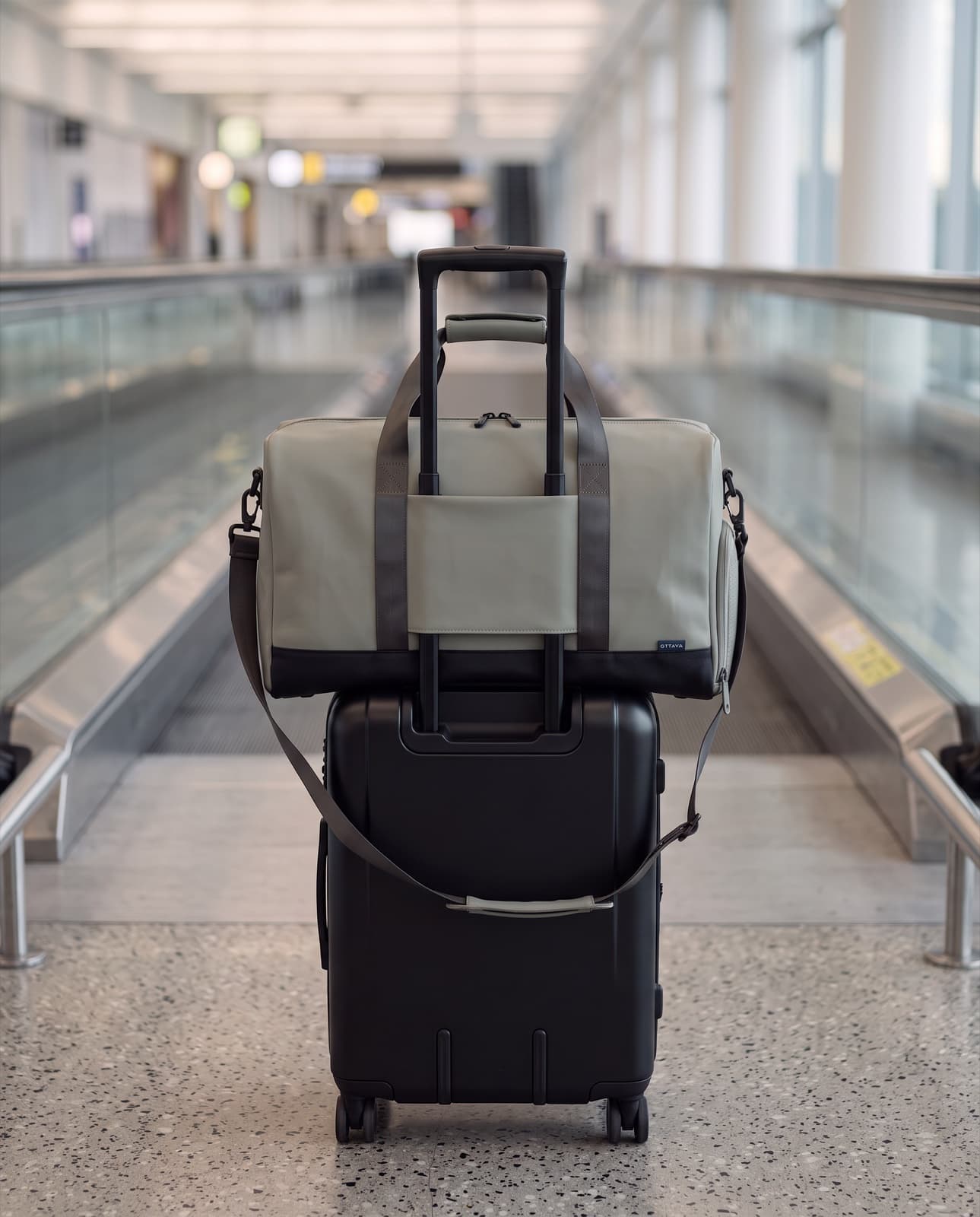
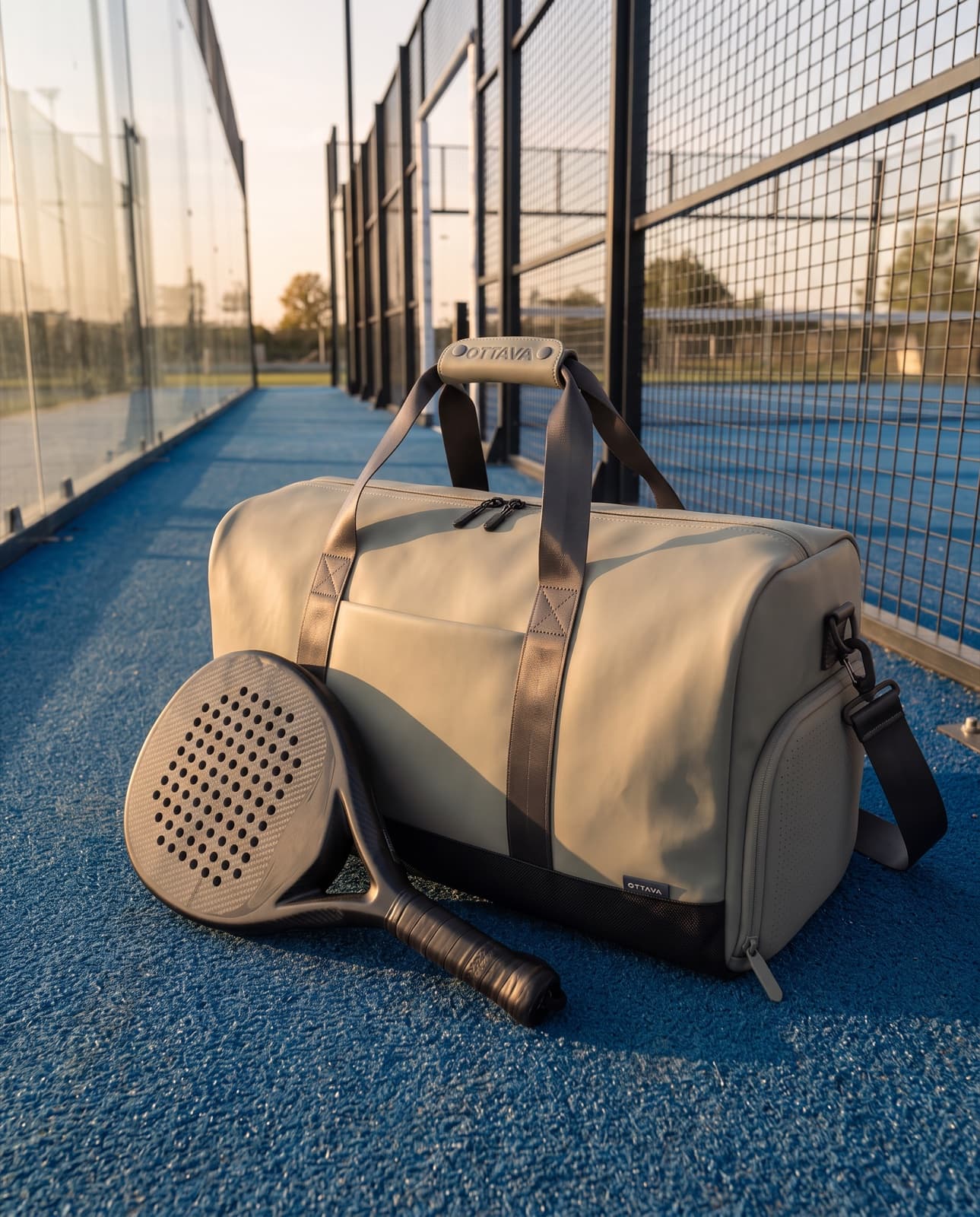
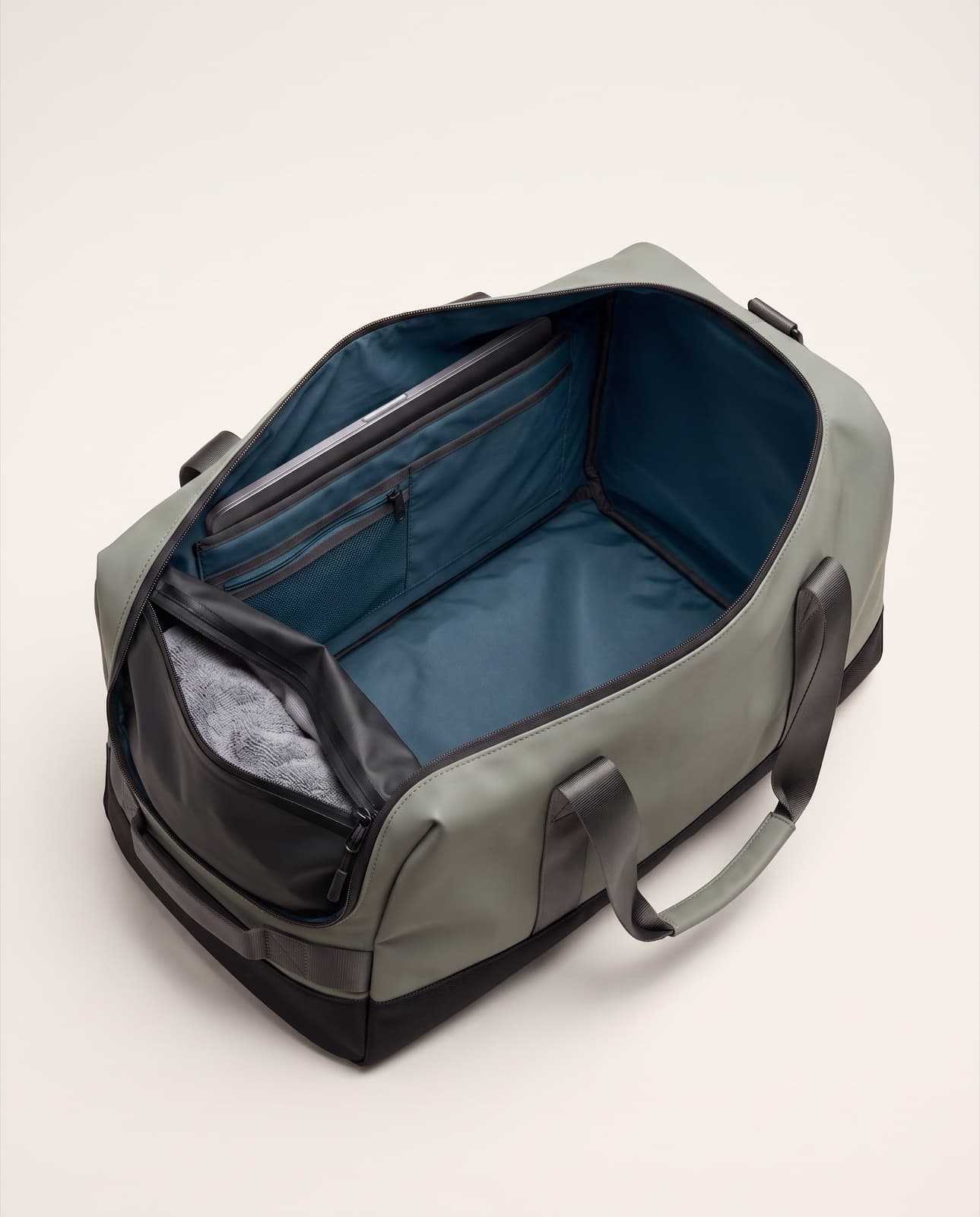
Out of stock · November drop
Every run is small, numbered, and allocated from the list.
Every unit is made to order in a numbered run of 150. Allocation is offered to the list in order. When yours comes up we send a secure link, you pay in full, and your unit enters the run. Ships November 2026. Cancel for a full refund any time before the batch enters production.